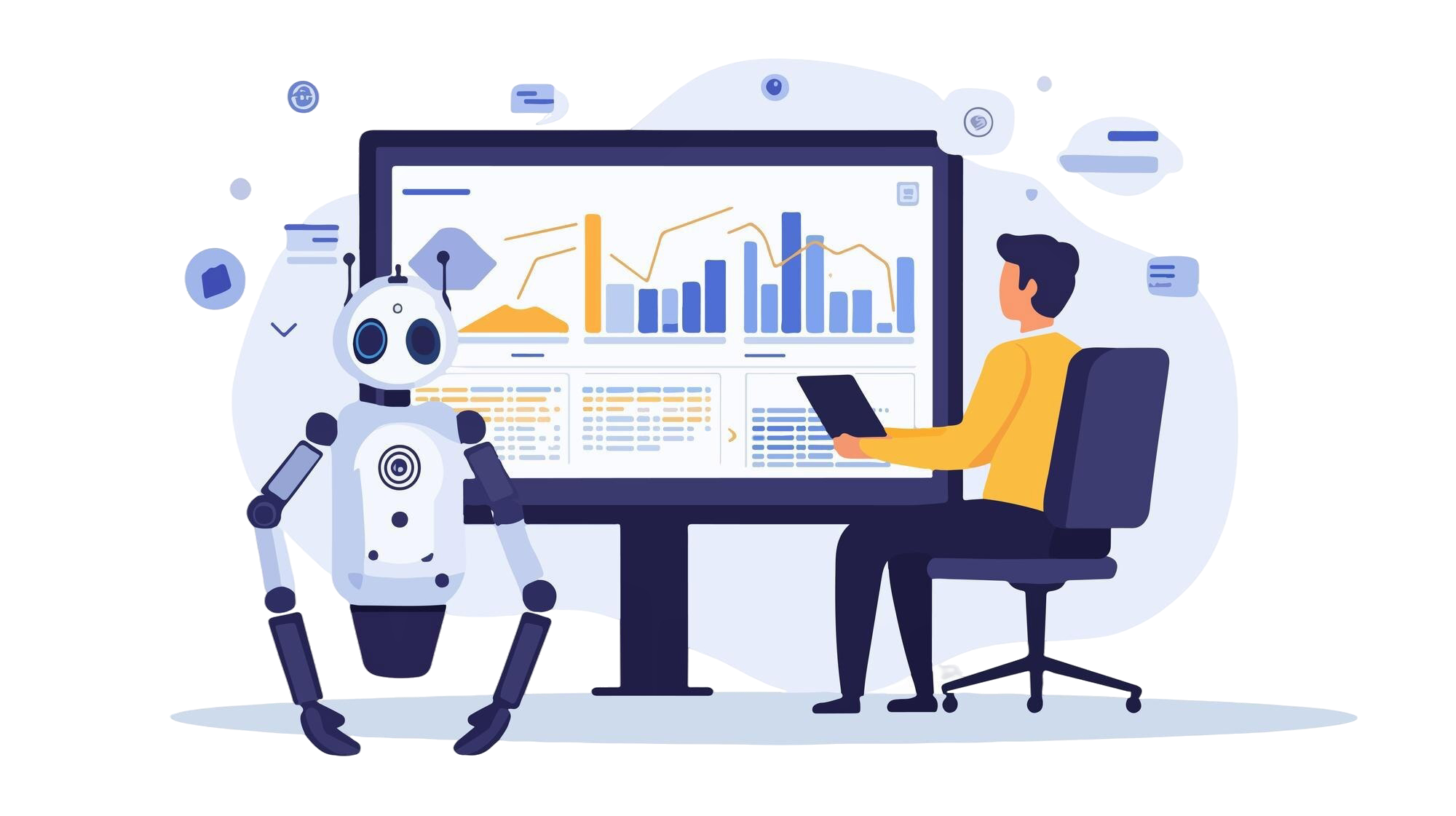
Digital transformation in manufacturing focuses on leveraging digital technologies to improve production efficiency, quality, flexibility, and cost competitiveness. It integrates IT and OT systems to enable smart factories, data-driven decision-making, and end-to-end visibility across the manufacturing value chain. While Industry 4.0 initiatives offer strong business value, manufacturers face multiple challenges in execution.
There are 7 key digital transformation possibilities for the manufacturing industry.
Autonomous and self-optimizing production environments leveraging IoT, automation, and data to create connected, intelligent shop floors.
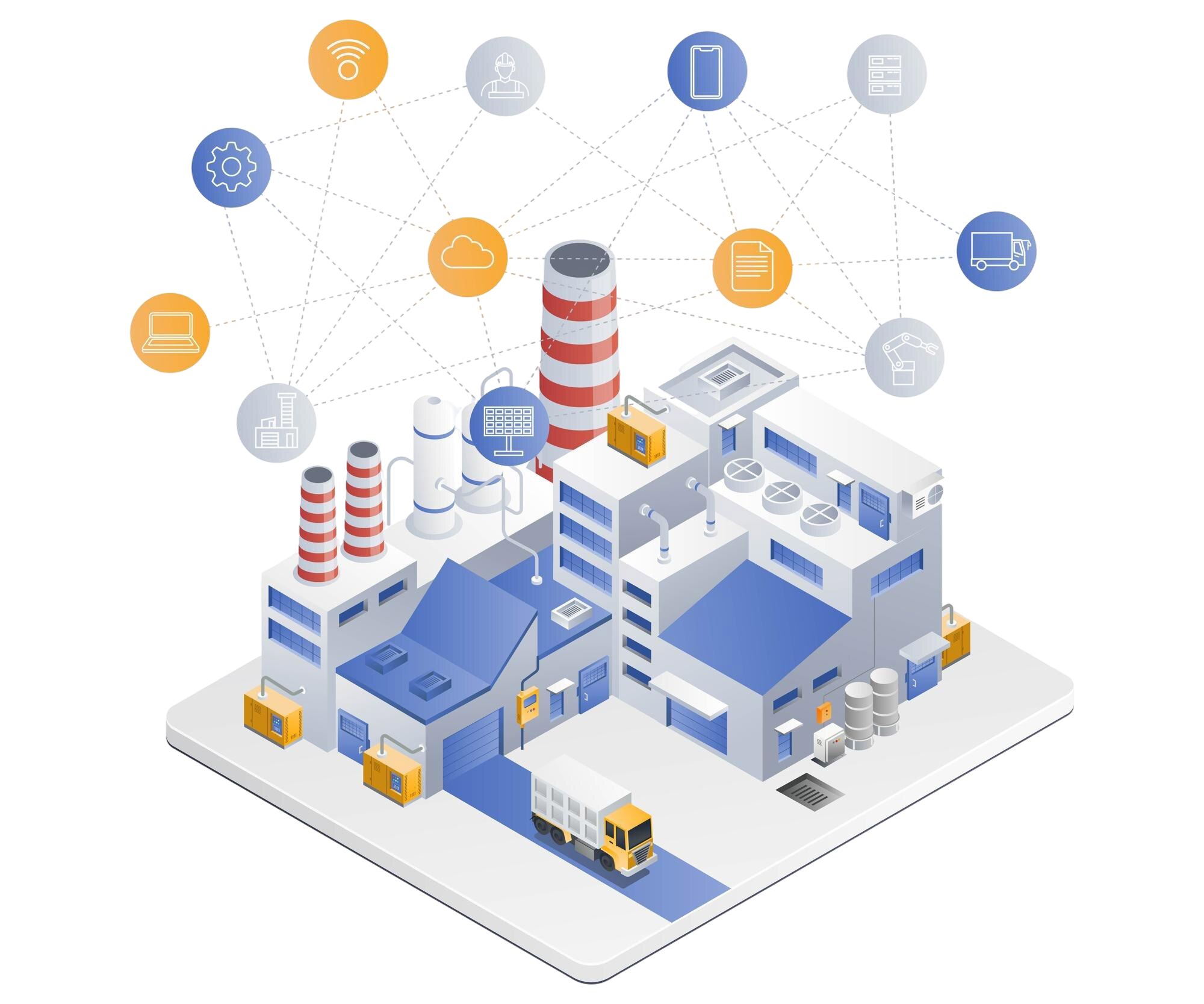
AI-driven tools for demand forecasting, defect prediction, and process optimization deliver actionable insights that improve quality, efficiency, and production outcomes.

Virtual replicas of machines and production lines enable simulation, testing, and optimization without disrupting live operations or incurring the cost of physical trials.

Data-driven maintenance strategies using IoT sensors and AI analytics to predict failures, reduce unplanned downtime, and extend the lifespan of critical manufacturing assets.

Digital platforms connecting suppliers, warehouses, and production systems for real-time collaboration, inventory visibility, and end-to-end material traceability.

Flexible production systems that combine the efficiency of mass manufacturing with the ability to deliver personalized products tailored to individual customer requirements.

Digital tools to monitor and reduce energy consumption, track emissions, and support sustainable manufacturing practices across the plant and supply chain.

Smart machines, PLC/SCADA systems, IoT sensors, real-time production monitoring.
Production scheduling, work order management, traceability.
Demand planning, inventory management, supplier integration.
Inspection systems, non-conformance management, audits, CAPA.
Predictive maintenance, condition monitoring, asset lifecycle management.
Digital twins, design collaboration, change management.
Operational dashboards, performance analytics, AI/ML insights.
Manufacturing plants relied on traditional machines with limited connectivity, making it difficult to monitor production performance in real time. Lack of visibility into machine operations led to inefficiencies, production delays, and increased downtime.
An IoT-enabled smart factory platform was implemented to connect machines, sensors, and production equipment. The system collected real-time data on machine performance, production output, and equipment health, which was displayed through operational dashboards for plant managers.
Manufacturers gained real-time visibility into shop floor operations and production performance. Machine utilization improved, downtime was reduced, and plant managers were able to make faster data-driven decisions to optimize production processes.
Manufacturing facilities often experienced unexpected machine breakdowns due to reactive maintenance practices. Equipment failures disrupted production schedules and increased maintenance costs.
A predictive maintenance system was introduced using IoT sensors and AI analytics to monitor equipment health indicators such as vibration, temperature, and machine usage patterns. The system predicted potential failures and generated maintenance alerts before breakdowns occurred.
Manufacturers were able to schedule maintenance proactively, significantly reducing unexpected equipment failures. Predictive maintenance improved production continuity and extended the lifespan of critical manufacturing assets.
Production planning and shop floor operations were managed through spreadsheets and manual reporting, resulting in inaccurate production tracking and inefficient coordination between departments.
A Manufacturing Execution System (MES) was implemented to manage production scheduling, work orders, machine utilization, and product traceability. The system integrated with enterprise resource planning (ERP) systems to synchronize production data with business operations.
Production processes became more streamlined and transparent. Manufacturers gained better control over work orders, production schedules, and material usage, improving operational efficiency and reducing production delays.
Manual inspection processes were time-consuming and prone to human error, leading to quality inconsistencies and product defects in manufacturing operations.
An AI-based quality inspection system was deployed using computer vision and machine learning algorithms. Cameras installed along the production line automatically inspected products for defects, deviations, or quality issues in real time.
Product defect detection improved significantly with automated inspection. The system ensured consistent product quality while reducing manual inspection effort and minimizing defective product shipments.
Manufacturers struggled with supply chain disruptions and limited visibility into supplier inventory and delivery schedules. This often caused production delays due to raw material shortages.
A digital supply chain platform was implemented to integrate suppliers, warehouses, and production planning systems. The platform enabled real-time tracking of raw materials, supplier performance monitoring, and automated inventory replenishment alerts.
Manufacturers achieved better supply chain coordination and improved material availability for production. Real-time visibility into supplier operations reduced delays and helped ensure smoother production planning.
Manufacturers faced challenges in optimizing production processes and testing new production strategies without disrupting actual operations.
A Digital Twin platform was implemented to create a virtual replica of manufacturing machines and production lines. Engineers could simulate different production scenarios, test process improvements, and analyze performance without affecting live production.
Manufacturers were able to optimize production processes and identify bottlenecks before implementing changes on the shop floor. Digital twin technology improved production planning, reduced operational risks, and enhanced manufacturing efficiency.