Digital Transformation in Manufacturing

Digital transformation in manufacturing focuses on leveraging digital technologies to improve production efficiency, quality, flexibility, and cost competitiveness. It integrates IT and OT systems to enable smart factories, data-driven decision-making, and end-to-end visibility across the manufacturing value chain. While Industry 4.0 initiatives offer strong business value, manufacturers face multiple challenges in execution.

Digital Transformation Possibilities

There are 7 key digital transformation possibilities for the manufacturing industry.

Smart Factories

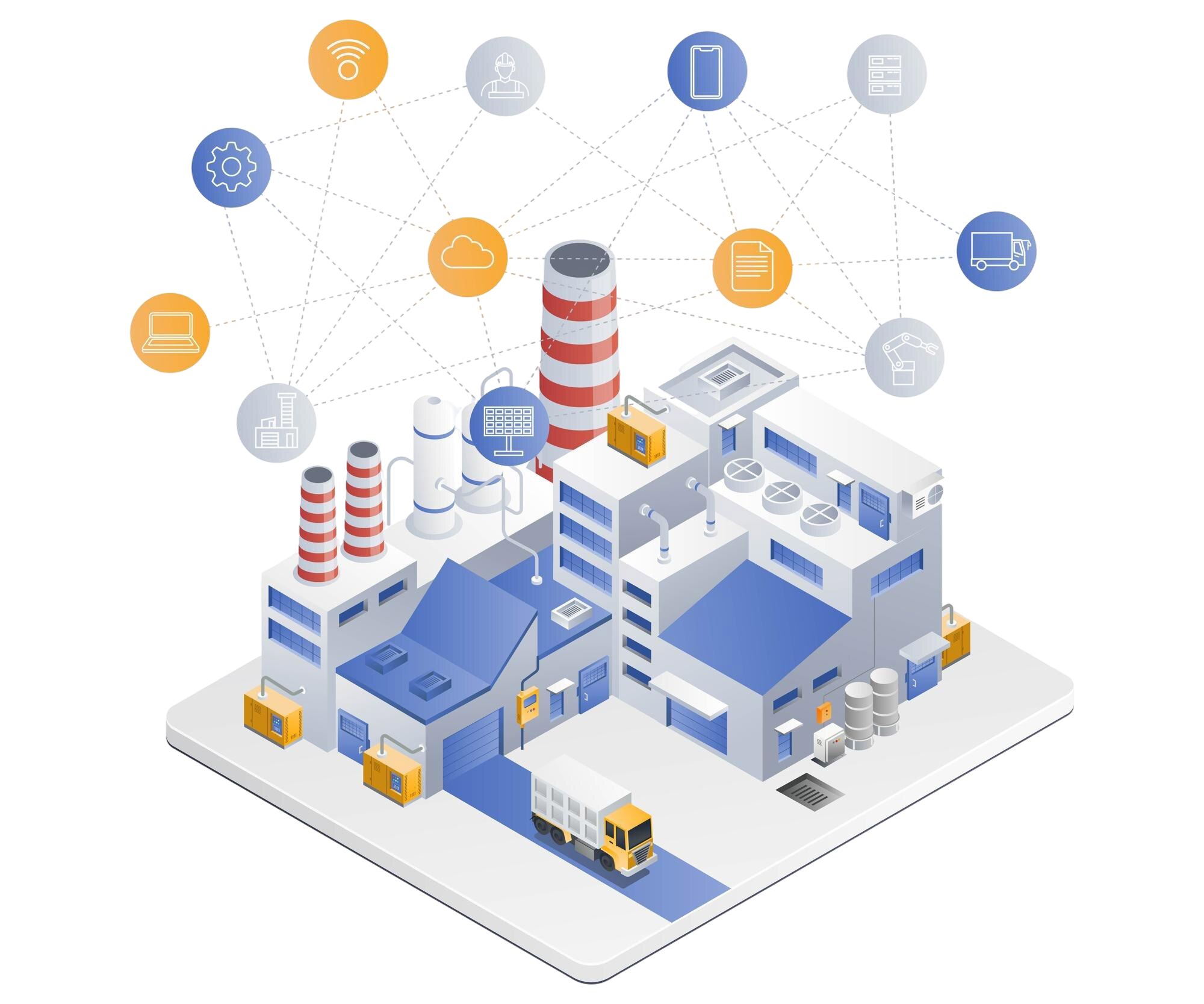
Autonomous and self-optimizing production environments leveraging IoT, automation, and data to create connected, intelligent shop floors.
Smart Factories

Features

Connected Shop Floor
IoT sensors and industrial protocols connect machines, equipment, and production lines. Real-time data flows from the shop floor to operational systems, enabling unified visibility across all production assets.
Real-Time Production Monitoring
Live dashboards display production output, machine utilization, cycle times, and OEE (Overall Equipment Effectiveness) metrics. Plant managers gain instant visibility into shop floor performance across all production lines.
Automated Production Control
PLC and SCADA systems enable automated control of production processes. Automated workflows reduce manual intervention, increase throughput, and ensure consistent product quality across shifts.
PLC/SCADA Integration
Integration with existing PLC and SCADA systems bridges the gap between operational technology and enterprise IT. Standardized protocols such as OPC UA and MQTT ensure seamless, reliable data exchange.
Energy Monitoring and Optimization
Real-time energy consumption data from machines and production areas enables identification of inefficiencies. Energy dashboards support cost reduction targets and sustainability commitments at plant level.
Operational Dashboards and Alerts
Configurable dashboards and automated alert systems notify operators and managers of anomalies, stoppages, or quality deviations in real time, enabling faster corrective action and reduced response times.
AI and Advanced Analytics

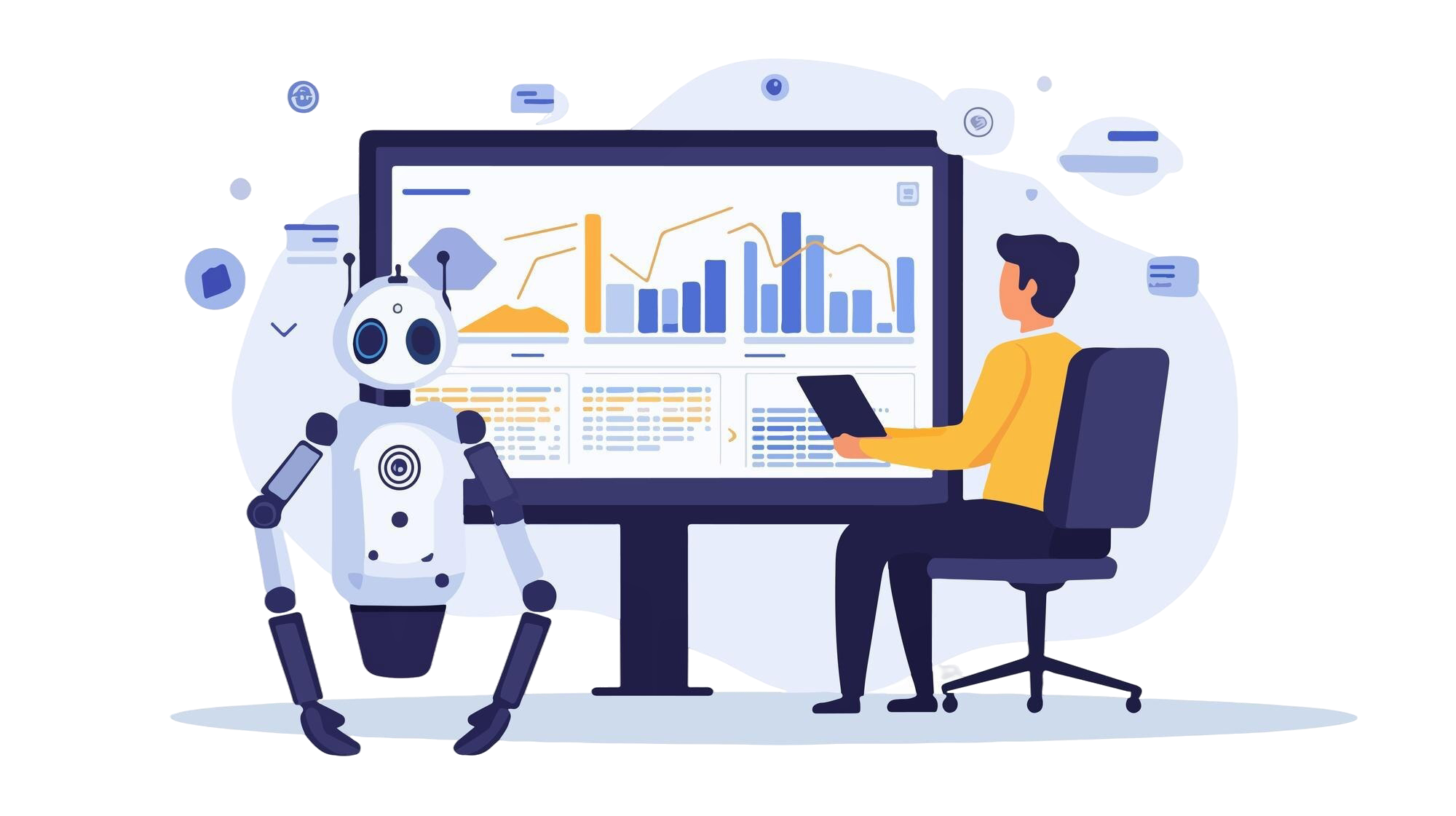
AI-driven tools for demand forecasting, defect prediction, and process optimization deliver actionable insights that improve quality, efficiency, and production outcomes.

AI and Advanced Analytics

Features

Demand Forecasting
Machine learning models analyze historical production data, market signals, and customer orders to generate accurate demand forecasts. This enables production planning teams to align capacity with anticipated demand and avoid over- or under-production.
Defect Prediction and Quality Analytics
AI models analyze production parameters and sensor data to predict quality deviations before defects occur. Early detection reduces scrap rates, rework costs, and the risk of non-conforming products reaching customers.
Process Optimization
AI algorithms identify inefficiencies and bottlenecks in production processes. Continuous analysis of machine parameters, throughput, and cycle times drives ongoing process improvements and higher overall equipment effectiveness.
Operational Intelligence Dashboards
Interactive dashboards consolidate production KPIs, quality metrics, and machine performance data. Managers gain real-time insights to support data-driven decisions across production lines and plant operations.
Yield and Throughput Analysis
Advanced analytics track yield rates and throughput across production lines and shifts. Root cause analysis identifies patterns behind yield losses and supports targeted corrective actions to maximize output.
Anomaly Detection and Alerts
AI-powered anomaly detection monitors production parameters in real time and flags deviations from expected patterns. Automated alerts enable operators to respond quickly and prevent quality failures or equipment damage.

Digital Twins

Virtual replicas of machines and production lines enable simulation, testing, and optimization without disrupting live operations or incurring the cost of physical trials.

Digital Twins

Features

Virtual Machine Modeling
High-fidelity digital models replicate the physical behavior of machines and equipment. These virtual models are continuously updated with real-time sensor data to accurately reflect current operating conditions.
Production Line Simulation
Engineers can simulate entire production lines to test new configurations, production schedules, or process changes. Simulation results identify potential issues before implementation on the shop floor, reducing risk and changeover time.
Process Testing and Optimization
Digital twins allow teams to run what-if scenarios and evaluate process improvements in a virtual environment. This reduces the risk and cost of physical trials and accelerates the implementation of operational improvements.
Real-Time Synchronization
Digital twin platforms synchronize with live production systems in real time. Deviations between the virtual model and actual performance trigger alerts and enable rapid investigation and corrective action.
Bottleneck Detection and Performance Analysis
Analytics on digital twin data identify throughput bottlenecks, capacity constraints, and performance gaps across the production system. Insights guide prioritized improvements to maximize overall production efficiency.
Engineering Collaboration
Digital twins serve as a shared platform for engineering, operations, and maintenance teams. Collaborative access to virtual models improves design reviews, change management, and cross-functional decision-making throughout the product lifecycle.

Predictive Maintenance at Scale

Data-driven maintenance strategies using IoT sensors and AI analytics to predict failures, reduce unplanned downtime, and extend the lifespan of critical manufacturing assets.

Predictive Maintenance at Scale

Features

Condition Monitoring
IoT sensors continuously monitor equipment health indicators including vibration, temperature, pressure, and acoustic signals. Continuous monitoring provides a real-time picture of asset health across the entire plant.
Failure Prediction and Early Warning
AI models analyze sensor data patterns to predict equipment failures before they occur. Early warning alerts give maintenance teams sufficient lead time to intervene and prevent costly unplanned downtime.
Automated Maintenance Scheduling
Predictive insights trigger automated maintenance work orders and scheduling recommendations. Maintenance activities are planned around production schedules to minimize operational disruption and maximize asset availability.
Asset Health Dashboards
Centralized dashboards provide a real-time view of the health status of all critical assets across the plant. Maintenance managers can prioritize interventions based on risk scores, failure probability, and asset criticality.
Parts and Spares Management
Predictive maintenance data informs spare parts planning, ensuring critical components are available when needed. This reduces emergency procurement costs, minimizes inventory holding, and prevents maintenance delays.
Maintenance Performance Analytics
Analytics track key maintenance KPIs including mean time between failures (MTBF), mean time to repair (MTTR), and maintenance cost per asset. Insights support continuous improvement of maintenance strategies and resource allocation.

Connected Supply Chains

Digital platforms connecting suppliers, warehouses, and production systems for real-time collaboration, inventory visibility, and end-to-end material traceability.

Connected Supply Chains

Features

Supplier Integration and Collaboration
Digital platforms connect manufacturers with suppliers through APIs and EDI integrations. Real-time data exchange on purchase orders, delivery schedules, and inventory levels improves procurement efficiency and supplier responsiveness.
Real-Time Material Tracking
End-to-end visibility into the movement of raw materials from supplier to production line is enabled through IoT, RFID, and tracking platforms. Manufacturers can proactively manage delays, material shortages, and delivery exceptions.
Automated Inventory Replenishment
AI-driven replenishment systems monitor inventory levels and trigger purchase orders automatically when stock falls below defined thresholds. This reduces the risk of production stoppages caused by material shortages.
Supplier Performance Monitoring
Supplier scorecards track delivery performance, quality compliance, and lead times across the supply base. Data-driven evaluations support informed supplier selection and continuous improvement in supply chain reliability.
End-to-End Traceability
Full traceability of raw materials and components from supplier origin through production to finished goods shipment. Traceability data supports quality investigations, regulatory compliance, and product recall management.
Supply Chain Risk Management
Digital platforms monitor supply chain risks such as supplier disruptions, logistics delays, and geopolitical factors. Early risk detection allows procurement teams to activate contingency plans and maintain production continuity.

Mass Customization

Flexible production systems that combine the efficiency of mass manufacturing with the ability to deliver personalized products tailored to individual customer requirements.

Mass Customization

Features

Flexible Production Scheduling
Advanced scheduling tools dynamically adjust production plans to accommodate varying order specifications, batch sizes, and customer delivery requirements. Flexible scheduling reduces changeover time and improves overall line efficiency.
Product Configuration Management
Digital configurators allow customers and sales teams to specify product variants, options, and features. Configuration data flows directly into production planning and MES systems, eliminating manual handoffs and specification errors.
Modular Manufacturing Processes
Production lines are designed with modular cells and reconfigurable equipment to support rapid changeovers between product variants. Modular architecture reduces lead times for new product introductions and variant production.
Customer Order Integration
Direct integration between customer order systems and manufacturing execution ensures accurate translation of customer requirements into production instructions. This minimizes specification errors and improves on-time delivery performance.
Quality Assurance for Custom Products
Quality inspection processes validate each customized product against its specific configuration and customer specifications. Automated checks reduce the risk of delivering non-conforming products and streamline quality sign-off.
Agile Supply Chain Alignment
Supply chain processes are synchronized with flexible production demands. Suppliers and procurement teams are connected through digital platforms to ensure timely availability of components for every customized order.

Sustainability and Energy Optimization

Digital tools to monitor and reduce energy consumption, track emissions, and support sustainable manufacturing practices across the plant and supply chain.

Sustainability and Energy Optimization

Features

Energy Consumption Monitoring
Real-time monitoring of energy consumption at machine, line, and plant level provides granular visibility into usage patterns. Dashboards highlight high-consumption areas and quantify opportunities for reduction and cost savings.
Carbon Emissions Tracking
The platform calculates and tracks carbon emissions from manufacturing operations, utilities, and logistics. Emissions data is aggregated by product, process, and facility to support sustainability reporting and net-zero reduction targets.
Process Efficiency Optimization
AI-driven analysis identifies energy-intensive processes and recommends operational adjustments to improve efficiency. Optimized production scheduling reduces idle machine time and eliminates unnecessary energy consumption.
Renewable Energy Integration
Digital platforms support integration and monitoring of renewable energy sources such as solar panels and wind turbines. Energy management systems optimize the balance between renewable and grid energy usage to reduce operating costs.
Waste Reduction Management
Digital monitoring of material waste and scrap generation identifies reduction opportunities across production processes. Waste analytics support lean manufacturing initiatives and circular economy goals by quantifying and targeting losses.
Sustainability Reporting and Compliance
Automated sustainability reports compile energy, emissions, and waste data into formats required for regulatory compliance and ESG disclosures. Audit-ready reporting reduces the manual effort of sustainability documentation across reporting cycles.

Segments

Shop Floor & Operations

Smart machines, PLC/SCADA systems, IoT sensors, real-time production monitoring.

Manufacturing Execution Systems (MES)

Production scheduling, work order management, traceability.

Supply Chain & Logistics

Demand planning, inventory management, supplier integration.

Quality Management

Inspection systems, non-conformance management, audits, CAPA.

Asset & Maintenance Management

Predictive maintenance, condition monitoring, asset lifecycle management.

Engineering & Product Lifecycle Management (PLM)

Digital twins, design collaboration, change management.

Data & Analytics

Operational dashboards, performance analytics, AI/ML insights.

Pain Points

Legacy Equipment and Systems
Older machines lack connectivity and standard interfaces.
ITand“OT Integration Challenges
Difficulty integrating shop-floor systems with enterprise applications.
Data Silos and Poor Visibility
Fragmented data across plants limits real-time insights.
High Downtime and Maintenance Costs
Reactive maintenance leads to unplanned stoppages.
Quality Variability and Defects
Limited real-time quality monitoring impacts yield.
Cybersecurity Risks
Increased attack surface due to connected industrial systems.
Skill Gaps and Change Resistance
Workforce may lack digital skills or resist new technologies.

Success Factors

Connected Factory Architecture
Standardized IoT platforms and industrial protocols (OPC UA, MQTT).
Seamless ITand“OT Integration
Strong integration between MES, ERP, and shop-floor systems.
Data Standardization and Governance
Unified data models and master data management.
Scalable Cloud and Edge Computing
Real-time processing with centralized analytics.
Predictive and Preventive Maintenance
Data-driven asset management strategies.
Strong Cybersecurity Frameworks
Network segmentation, access control, and monitoring.
Change Management and Workforce Enablement
Training programs and digital skill development.

Case Studies

Smart Factory Implementation with IoT

Challenge

Manufacturing plants relied on traditional machines with limited connectivity, making it difficult to monitor production performance in real time. Lack of visibility into machine operations led to inefficiencies, production delays, and increased downtime.

Digital Solution

An IoT-enabled smart factory platform was implemented to connect machines, sensors, and production equipment. The system collected real-time data on machine performance, production output, and equipment health, which was displayed through operational dashboards for plant managers.

Outcome

Manufacturers gained real-time visibility into shop floor operations and production performance. Machine utilization improved, downtime was reduced, and plant managers were able to make faster data-driven decisions to optimize production processes.

Predictive Maintenance for Industrial Equipment

Challenge

Manufacturing facilities often experienced unexpected machine breakdowns due to reactive maintenance practices. Equipment failures disrupted production schedules and increased maintenance costs.

Digital Solution

A predictive maintenance system was introduced using IoT sensors and AI analytics to monitor equipment health indicators such as vibration, temperature, and machine usage patterns. The system predicted potential failures and generated maintenance alerts before breakdowns occurred.

Outcome

Manufacturers were able to schedule maintenance proactively, significantly reducing unexpected equipment failures. Predictive maintenance improved production continuity and extended the lifespan of critical manufacturing assets.

Manufacturing Execution System (MES) for Production Control

Challenge

Production planning and shop floor operations were managed through spreadsheets and manual reporting, resulting in inaccurate production tracking and inefficient coordination between departments.

Digital Solution

A Manufacturing Execution System (MES) was implemented to manage production scheduling, work orders, machine utilization, and product traceability. The system integrated with enterprise resource planning (ERP) systems to synchronize production data with business operations.

Outcome

Production processes became more streamlined and transparent. Manufacturers gained better control over work orders, production schedules, and material usage, improving operational efficiency and reducing production delays.

AI-Based Quality Inspection System

Challenge

Manual inspection processes were time-consuming and prone to human error, leading to quality inconsistencies and product defects in manufacturing operations.

Digital Solution

An AI-based quality inspection system was deployed using computer vision and machine learning algorithms. Cameras installed along the production line automatically inspected products for defects, deviations, or quality issues in real time.

Outcome

Product defect detection improved significantly with automated inspection. The system ensured consistent product quality while reducing manual inspection effort and minimizing defective product shipments.

Digital Supply Chain Integration for Manufacturing

Challenge

Manufacturers struggled with supply chain disruptions and limited visibility into supplier inventory and delivery schedules. This often caused production delays due to raw material shortages.

Digital Solution

A digital supply chain platform was implemented to integrate suppliers, warehouses, and production planning systems. The platform enabled real-time tracking of raw materials, supplier performance monitoring, and automated inventory replenishment alerts.

Outcome

Manufacturers achieved better supply chain coordination and improved material availability for production. Real-time visibility into supplier operations reduced delays and helped ensure smoother production planning.

Digital Twin for Production Optimization

Challenge

Manufacturers faced challenges in optimizing production processes and testing new production strategies without disrupting actual operations.

Digital Solution

A Digital Twin platform was implemented to create a virtual replica of manufacturing machines and production lines. Engineers could simulate different production scenarios, test process improvements, and analyze performance without affecting live production.

Outcome

Manufacturers were able to optimize production processes and identify bottlenecks before implementing changes on the shop floor. Digital twin technology improved production planning, reduced operational risks, and enhanced manufacturing efficiency.