Digital Transformation in Construction

Digital transformation in the construction industry focuses on using digital technologies to improve project planning, execution, safety, cost control, and collaboration across stakeholders. Traditionally fragmented and paper-driven, the construction sector is adopting digital tools to enhance transparency, productivity, and risk management across the project lifecycle.

Digital Transformation Possibilities

There are 7 key digital transformation possibilities for the construction industry.

Digital Construction Sites

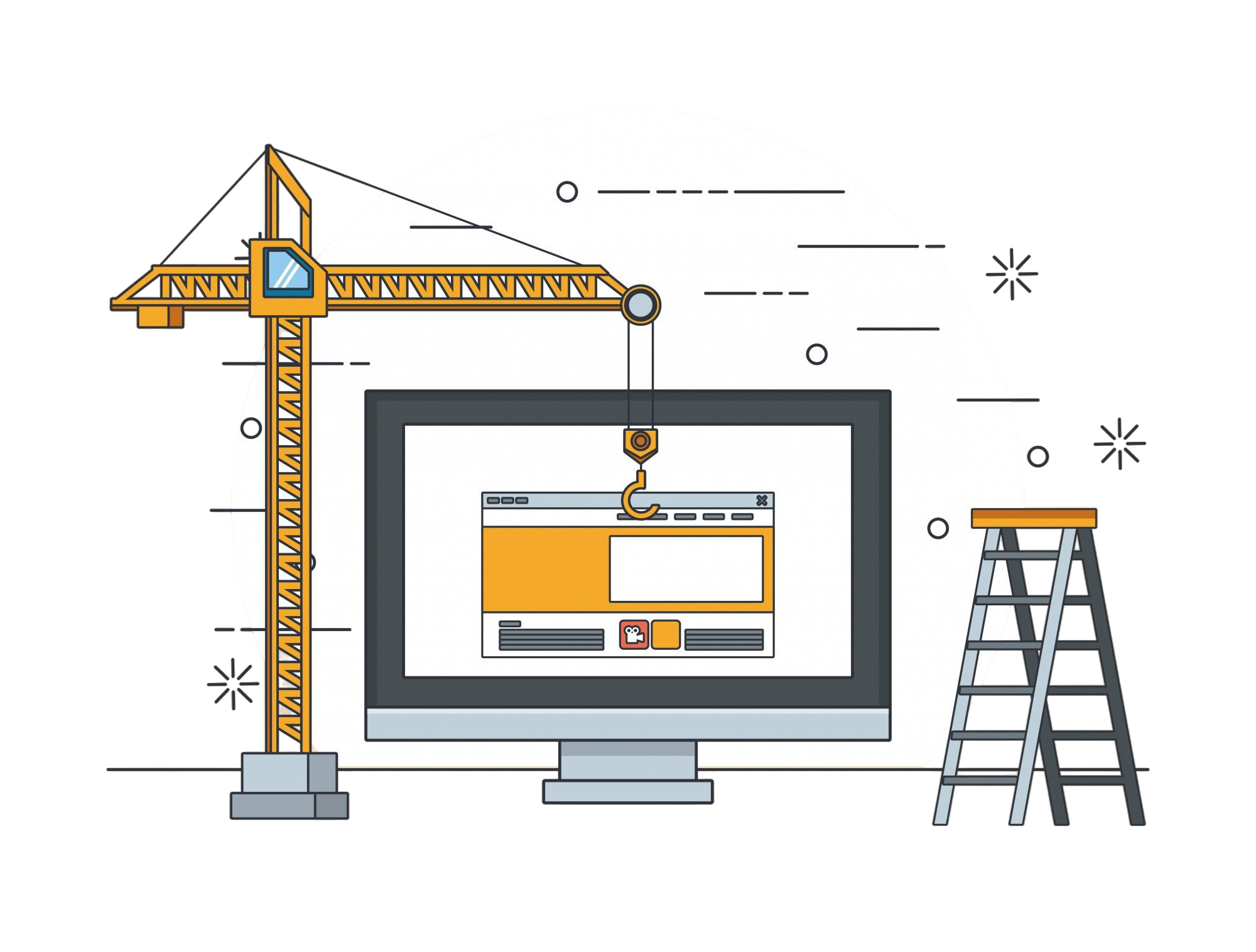
Smart construction sites leverage IoT sensors, drones, and real-time monitoring platforms to deliver full operational visibility. They enable proactive safety management, equipment tracking, and remote site supervision across construction projects.
Digital Construction Sites

Features

IoT-Based Site Monitoring
IoT sensors deployed across construction sites capture real-time data on environmental conditions, equipment status, and site activities. This continuous monitoring provides operations managers with live visibility and early warning of issues.
Drone-Based Aerial Surveys
Drones perform automated aerial surveys, capturing high-resolution imagery and 3D point cloud data across construction sites. Survey data is processed to monitor earthworks, structural progress, and site compliance.
Smart Worker Safety Monitoring
Wearable sensors and smart badges track worker location, fatigue indicators, and proximity to hazardous zones. Automated alerts notify supervisors of unsafe conditions before incidents occur.
Real-Time Equipment Tracking
GPS and IoT devices attached to heavy machinery and equipment provide live tracking of utilization, idle time, and maintenance status. This reduces equipment downtime and improves resource allocation.
Remote Site Visibility Dashboards
Centralized dashboards consolidate site camera feeds, sensor data, and progress reports into a single view. Project managers can monitor multiple sites simultaneously without being physically present.
Digital Site Diaries and Progress Capture
Mobile applications enable site engineers to capture daily progress photographs, record work activities, and log issues directly from the field. Digital records replace paper-based site diaries and improve audit trails.
Advanced BIM and Digital Twins

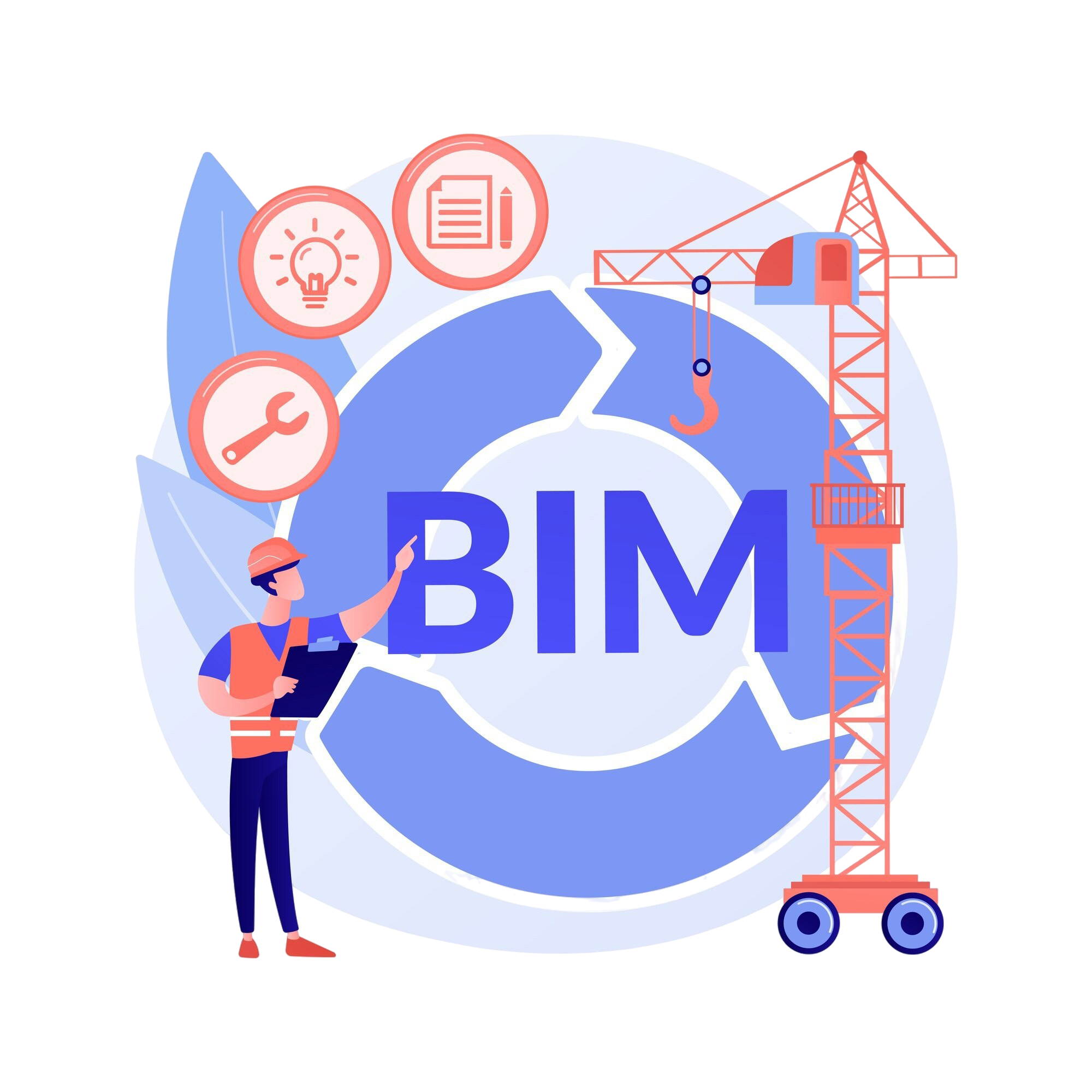
Building Information Modeling and Digital Twin platforms deliver end-to-end lifecycle visibility from design and construction through to operations. They enable multi-disciplinary collaboration, clash detection, and real-time monitoring of built assets.

Advanced BIM and Digital Twins

Features

3D/4D/5D BIM Modeling
BIM platforms create detailed 3D models enriched with time-scheduling (4D) and cost data (5D). This gives project teams a comprehensive digital representation for planning, simulation, and visualization throughout the project lifecycle.
Clash Detection and Design Coordination
Automated clash detection identifies conflicts between structural, mechanical, electrical, and plumbing systems before construction begins. Early resolution of design clashes reduces costly rework on site.
Digital Twin Creation and Management
Digital twins create virtual replicas of physical assets that are continuously updated with live sensor and operational data. Facility managers use digital twins to monitor performance, predict failures, and optimize maintenance.
Construction Simulation and Sequencing
4D simulation tools animate the construction sequence against the project programme, revealing logistical constraints and scheduling risks. Teams can test alternative construction sequences before committing to site activities.
As-Built Documentation and Digital Handover
BIM models are updated throughout construction to reflect as-built conditions, providing accurate records for facility management. Digital handover packages transfer structured data and documentation to owners at project completion.
Real-Time Asset Performance Monitoring
IoT sensors feed live operational data into digital twin models to monitor energy consumption, structural health, and equipment performance. This enables predictive maintenance and continuous performance improvement.

AI and Predictive Analytics

AI-powered analytics platforms analyze project data to predict risks, forecast cost overruns, and prevent schedule delays. They enable construction teams to make proactive decisions rather than reacting to problems after they arise.

AI and Predictive Analytics

Features

Predictive Risk Assessment
AI models evaluate project data, historical patterns, and external factors to identify and score emerging risks. Risk dashboards help project teams prioritize mitigation actions before issues escalate.
Cost Overrun Forecasting
Machine learning algorithms analyse budget consumption trends, change orders, and productivity metrics to forecast potential cost overruns. Early warnings allow project managers to take corrective action within approved budgets.
Schedule Delay Prediction
AI analyses planned versus actual progress, resource availability, and weather data to predict schedule deviations. Predictive alerts enable proactive adjustments to maintain project milestones.
Safety Incident Prediction
Predictive safety models identify high-risk activities, site conditions, and behavioural patterns that precede accidents. AI-driven safety alerts enable supervisors to intervene before incidents occur.
Resource Utilization Optimization
AI tools optimize the allocation of labour, equipment, and materials across project activities. Resource optimization recommendations reduce idle time and improve overall project productivity.
AI-Driven Quality Control
Computer vision and AI algorithms inspect construction outputs against design specifications using site photographs and drone imagery. Automated defect detection reduces quality inspection time and improves standards.

Automation and Robotics

Automation and robotics solutions accelerate construction timelines, reduce manual effort, and improve precision. From automated surveying to robotic material handling, these technologies enable construction teams to do more with fewer resources.

Automation and Robotics

Features

Automated Land Surveying and Mapping
Autonomous surveying robots and GPS-enabled total stations capture precise site measurements without manual effort. Survey data is automatically processed and integrated with BIM models and project plans.
Robotic Material Handling
Robotic systems automate the movement, sorting, and placement of construction materials on site. Robots work continuously without fatigue, improving throughput and reducing physical demands on workers.
Drone-Based Inspections
Drones perform detailed inspections of structures, facades, rooftops, and confined spaces that are difficult or dangerous to access manually. Photogrammetry and thermal imaging identify defects, cracks, and safety issues efficiently.
Process Automation for Administrative Tasks
RPA bots automate repetitive administrative tasks including document processing, permit applications, compliance reporting, and invoice management. Automation reduces overhead and frees project staff to focus on higher-value activities.
Automated Progress Reporting
Automated systems generate daily and weekly progress reports using site sensor data, photographic evidence, and schedule comparisons. Reports are distributed to stakeholders without requiring manual compilation.
Autonomous Construction Equipment
Semi-autonomous and autonomous construction machinery uses GPS, sensors, and AI to perform grading, compaction, and paving tasks with high precision. Machine control reduces operator error and accelerates earthworks operations.

Connected Supply Chains

Connected supply chain platforms provide end-to-end tracking of materials, equipment, and vendor performance across construction projects. They eliminate procurement delays, reduce material waste, and improve financial control across the supply chain.

Connected Supply Chains

Features

End-to-End Material Tracking
Digital platforms track construction materials from supplier dispatch to site delivery and installation. Barcode, RFID, and IoT technologies provide real-time location and status updates, reducing losses and delivery disputes.
Digital Vendor and Procurement Management
Centralized procurement portals digitize vendor onboarding, quotation management, purchase order creation, and contract execution. Digital workflows reduce manual effort and improve procurement transparency.
Real-Time Inventory Visibility
Live inventory tracking systems monitor stock levels of materials and consumables at site stores. Automated reorder alerts prevent shortages that cause project delays and overstocking that ties up capital.
Automated Purchase Orders and Approvals
Procurement automation generates purchase orders based on project schedules and inventory thresholds. Digital approval workflows ensure orders are reviewed and authorized without manual routing through paper-based processes.
Supplier Performance Management
The platform tracks supplier KPIs including on-time delivery, quality compliance, and cost adherence. Performance scorecards support data-driven supplier selection and contract renewals.
Logistics Coordination for Site Materials
Integrated logistics tools coordinate deliveries, manage transport schedules, and optimize just-in-time delivery of materials to construction sites. This reduces congestion, double handling, and idle waiting time on site.

Sustainability and Green Construction

Digital sustainability platforms track carbon emissions, model energy performance, and support waste reduction across construction projects. They help organizations meet environmental targets, achieve green building certifications, and comply with evolving regulatory requirements.

Sustainability and Green Construction

Features

Carbon Footprint Tracking and Reporting
The platform captures embodied carbon data from materials, transport, and construction activities across the project. Carbon dashboards provide real-time visibility and generate compliance-ready reports for clients and regulators.
Energy Modeling and Performance Simulation
Integrated energy modeling tools simulate building performance under different design, orientation, and material scenarios. Simulation results inform design decisions that optimize energy efficiency and reduce operational costs.
Waste Reduction and Circular Economy Tools
Digital waste management platforms track material usage, offcut volumes, and disposal routes on construction sites. Waste analytics identify opportunities to reduce generation, improve reuse, and divert materials from landfill.
Sustainable Material Selection
Material libraries and procurement tools provide environmental impact data including embodied carbon ratings, recycled content, and lifecycle assessments. Teams can compare sustainable alternatives during specification and procurement.
Green Building Certification Support
The platform manages green building certification workflows for BREEAM, LEED, and similar standards. Automated credit tracking, document management, and submission tools streamline the certification process.
Regulatory and Environmental Compliance
Digital compliance tools monitor regulatory requirements and automatically flag activities that risk non-compliance with environmental legislation. Audit-ready records simplify interactions with regulators and clients.

Data-Driven Decision Making

Integrated analytics platforms consolidate project, financial, and operational data to enable faster and more accurate decisions at both project and portfolio levels. They provide stakeholders with real-time insight into performance, risks, and opportunities.

Data-Driven Decision Making

Features

Integrated Project Performance Dashboards
Unified dashboards consolidate schedule, cost, safety, quality, and risk data from across project systems into a single view. Project managers gain real-time visibility of overall project health without switching between tools.
Portfolio-Level Analytics and Reporting
Portfolio dashboards aggregate performance data across multiple projects, enabling executives to compare project performance, identify trends, and allocate resources strategically. Cross-project benchmarking raises standards across the organization.
Cost and Schedule Performance Tracking
Earned value management tools track cost and schedule performance against baselines, calculating variances and performance indices in real time. Early identification of deviations enables corrective action before impacts escalate.
Predictive Project Insights
Machine learning models analyse current project trends to forecast completion dates, final costs, and risk outcomes. Predictive insights give project teams the information to make confident forward-looking decisions.
Stakeholder Reporting and Transparency
Automated reporting tools generate customized project status reports for clients, investors, and internal leadership. Digital portals give stakeholders self-service access to project performance data on demand.
Benchmarking and KPI Management
Benchmarking tools compare project KPIs against industry standards and historical performance baselines. KPI management frameworks identify gaps and drive continuous improvement across construction operations.

Segments

Project Planning & Design

Covers feasibility, design development, and planning stages. Digital transformation introduces BIM, 3D/4D/5D modeling, and digital blueprint management to improve design accuracy and stakeholder alignment.

Project Management & Execution

Encompasses scheduling, progress tracking, resource allocation, and site management. Digital tools provide real-time visibility into activities, enabling proactive management of timelines and budgets.

Cost & Contract Management

Manages budgeting, estimating, change orders, billing, and claims. Digital cost management platforms improve accuracy, reduce disputes, and accelerate financial approvals across project teams.

Procurement & Supply Chain

Handles vendor management, material tracking, and logistics coordination. Connected platforms eliminate manual procurement processes and provide transparency into material availability and supplier performance.

Site Operations & Safety

Focuses on day-to-day site activities and worker safety. IoT sensors, wearables, and digital safety management systems provide real-time monitoring and proactive hazard prevention on construction sites.

Quality Management

Covers inspections, non-conformance tracking, audits, and compliance checks. Digital quality platforms replace paper-based inspection forms and provide structured records for regulatory compliance and handover.

Asset & Facility Management

Manages digital handover, maintenance planning, and asset lifecycle once construction is complete. Digital twins and asset management systems support long-term operational performance and reduce maintenance costs.

Pain Points

Fragmented Stakeholder Collaboration
Multiple contractors, consultants, and suppliers operate in silos with separate systems and communication channels. This fragmentation creates information gaps, inconsistent data, and misaligned expectations that slow decision-making and increase rework.
Manual and Paper-Based Processes
Heavy reliance on spreadsheets, paper forms, and physical documentation creates inefficiencies, version control issues, and data inaccuracies. Manual processes slow reporting cycles and make it difficult to maintain an accurate picture of project status.
Limited Real-Time Project Visibility
Without real-time data on progress, costs, and risks, project leaders are often managing by exception rather than by insight. Delays in tracking and reporting mean that problems are identified too late for effective corrective action.
Cost Overruns and Schedule Delays
Poor coordination, inaccurate forecasting, and unmanaged scope changes frequently result in projects exceeding budgets and missing deadlines. The construction industry consistently reports higher rates of cost and schedule overruns than other sectors.
Safety Risks and Compliance Issues
Construction remains one of the most hazardous industries, with limited proactive safety monitoring on many job sites. Paper-based safety audits and reactive incident management fail to prevent accidents and expose organizations to regulatory and legal risks.
Low Technology Adoption
Resistance to change and a shortage of digital skills among the construction workforce slow the uptake of new tools and platforms. Without adequate training and change management, technology investments fail to deliver their intended benefits.
Data Inconsistency and Rework
Poor data quality driven by manual entry errors, outdated records, and incompatible systems leads to incorrect decisions and costly rework. Inconsistent data across project teams undermines trust in reporting and creates disputes between parties.

Success Factors

Centralized Digital Platforms
A common data environment that serves as a single source of truth for project documentation, drawings, and data is fundamental to successful digital transformation. Centralized platforms eliminate information silos and ensure all stakeholders work from the same accurate data.
BIM-Driven Collaboration
Adopting BIM as the central framework for design and construction workflows drives integrated collaboration between architects, engineers, contractors, and owners. BIM provides the digital foundation for connecting all project participants around a shared model.
Real-Time Data and Visibility
Deploying IoT sensors, mobile data capture, and connected systems that feed live data into dashboards ensures project leaders have accurate, timely information. Real-time visibility is a prerequisite for proactive project management and early risk intervention.
Mobile-First Solutions
Construction workers spend most of their time on site away from desktop computers. Mobile-first applications that are intuitive to use on smartphones and tablets drive adoption at site level and ensure data is captured where work actually happens.
Strong Change Management
Leadership commitment, structured training programmes, and ongoing support are essential to overcoming resistance to change in the construction sector. Organizations that invest in people alongside technology consistently achieve faster adoption and higher return from digital transformation.
Integration Across Systems
Seamless integration between project management, finance, procurement, and site systems eliminates data duplication and manual transfer of information between tools. Connected systems provide a coherent view of project performance across all operational dimensions.
Data Governance and Standardization
Consistent naming conventions, data structures, and document management standards ensure that data collected across projects remains reliable and comparable. Strong data governance frameworks enable meaningful analytics and support continuous improvement initiatives.

Case Studies

Building Information Modeling (BIM) for Construction Planning

Challenge

Construction companies often faced design conflicts and miscommunication between architects, engineers, and contractors. Traditional 2D drawings made it difficult to visualize the complete structure, resulting in design errors, rework, and project delays.

Digital Solution

A Building Information Modeling (BIM) platform was implemented to create detailed 3D models of buildings and infrastructure projects. The system enabled architects, engineers, and project managers to collaborate on a single digital model, identify design conflicts early, and simulate construction timelines.

Outcome

The use of BIM improved coordination between project stakeholders and significantly reduced design errors. Construction teams were able to identify issues before construction began, reducing rework, improving project planning accuracy, and accelerating project delivery.

AI-Based Construction Risk Prediction

Challenge

Construction projects frequently experienced cost overruns and delays due to unforeseen risks such as material shortages, labour issues, and weather disruptions. Project managers often lacked predictive tools to identify risks early.

Digital Solution

An AI-powered analytics platform was introduced to analyse historical project data, construction schedules, weather patterns, and resource availability. The system generated predictive insights to identify potential project risks and recommended mitigation strategies.

Outcome

Project managers gained the ability to proactively address potential delays and cost issues. Predictive analytics improved decision-making, reduced project risks, and helped ensure projects were delivered within planned timelines and budgets.

IoT-Based Smart Construction Site Monitoring

Challenge

Construction sites faced safety risks due to hazardous working conditions, equipment misuse, and lack of real-time monitoring. Manual safety inspections often failed to detect potential hazards promptly.

Digital Solution

IoT sensors and wearable devices were deployed across construction sites to monitor worker safety, equipment usage, and environmental conditions. The system provided real-time alerts for unsafe situations such as worker fatigue, equipment malfunction, or restricted zone entry.

Outcome

Real-time monitoring significantly improved construction site safety. Safety incidents decreased, and site managers were able to respond quickly to potential hazards, ensuring compliance with safety regulations and protecting workers.

Digital Procurement and Material Management System

Challenge

Construction companies struggled with delays in material procurement and poor inventory visibility. Manual procurement processes caused errors in ordering materials, leading to project delays and cost overruns.

Digital Solution

A digital procurement and supply chain management system was implemented to automate vendor management, purchase orders, inventory tracking, and material delivery schedules. The system also enabled real-time tracking of materials from suppliers to construction sites.

Outcome

Material procurement became more efficient and transparent. Construction teams were able to ensure timely availability of materials, reducing project delays and improving cost management.

Mobile Construction Site Reporting Application

Challenge

Site engineers often prepared daily progress reports manually using spreadsheets and paper-based documentation. This delayed reporting, reduced data accuracy, and limited management visibility into real-time site activities.

Digital Solution

A mobile construction reporting application was introduced for site engineers to capture daily progress updates, upload photos, record labour activities, and report site issues directly from their mobile devices.

Outcome

Project managers gained real-time visibility into construction progress. Digital reporting improved communication between site teams and management, enabling faster decision-making and improved project monitoring.

Digital Twin Technology for Infrastructure Management

Challenge

After construction completion, facility managers struggled to monitor building performance, maintenance needs, and infrastructure health due to lack of detailed digital documentation.

Digital Solution

A Digital Twin platform was implemented to create a virtual replica of the constructed building. The system integrated IoT sensors and operational data to monitor building performance, energy usage, and maintenance requirements in real time.

Outcome

Facility managers were able to monitor infrastructure performance continuously and perform predictive maintenance. This improved operational efficiency, reduced maintenance costs, and extended the lifecycle of building assets.